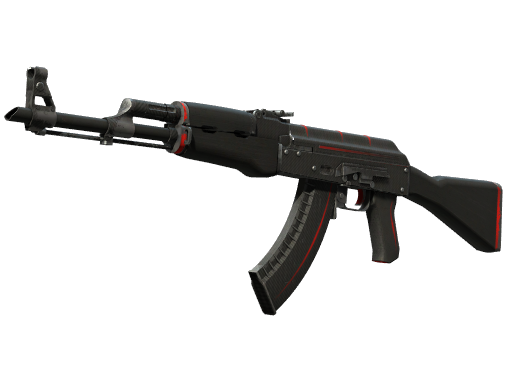
The same AK-47 | Redline at the same moment can cost $22 on one marketplace, $24 on a second and $26 on a third. Multiply that by dozens of platforms, different currencies, different fees and different payout speeds — and it becomes clear why buying a skin "at a fair price" turns into an evening with ten open tabs. reSkins exists precisely so that this evening takes thirty seconds. Here is how everything works under the hood — no marketing fog.
The problem: the skin market is fragmented
CS2 skins trade on dozens of platforms simultaneously: the Steam Community Market, third-party marketplaces with real-money withdrawal, P2P platforms. Each has its own fee (from 2 to 15%), its own display currency, its own market depth. A price on a platform is not "the value of the skin" — it is the value of the skin right here, right now, given local fees and the balance of supply and demand. A player who buys on the first marketplace they land on consistently overpays 5–15% — simply because they cannot see the neighboring platforms. And someone who honestly compares by hand spends the time and still risks comparing yesterday's price with today's.
What reSkins does: the data pipeline
Our pipeline consists of four steps, and each one matters.
Step 1 — collection. Every 30 minutes we poll the connected marketplaces — Skinport, Lis-Skins and Market.CSGO — and pull current prices for every item in the catalog. Thirty minutes is a deliberate balance: frequent enough for prices to stay live, and gentle enough not to hammer the platforms' rate limits.
Step 2 — normalization. Marketplaces return prices in different currencies and formats. We convert everything to a single base — US dollars — at the current exchange rate, so the comparison is honest. $23.40 versus $24.10 is a clear picture; 2100 rubles versus $24.10 is a puzzle nobody should have to solve in their head.
Step 3 — outlier filtering. Every marketplace has anomalous listings: a seller fat-fingered a zero, listed a rare float at a regular price, or set an absurd "just in case someone bites" price. If you show the minimum price without a filter, the comparison becomes a lottery. So statistical outliers are cut, and the item page shows a realistic best price — one at which the item can actually be bought.
Step 4 — delivery. For every item we show the best price across platforms, a full per-marketplace comparison and a "go to marketplace" link that leads directly to the item's page on the platform's official domain.
Why marketplace prices differ in the first place
This is the most frequent question, and the answer breaks down into three factors.
| Factor | How it affects the price |
|---|---|
| Platform fee | Sellers bake the fee into the price: where the cut is higher, listings are pricier |
| Liquidity | On a high-volume platform, seller competition is fiercer — prices are lower |
| Region and payment methods | Marketplaces with convenient payments for a specific region attract local demand and a price premium |
Add payout speed for sellers (where withdrawal is faster and cheaper, more listings flow in) — and you get a persistent 5–15% spread between platforms for the very same item. This spread is not an anomaly; it is the normal state of a fragmented market. And it is exactly the gap where an aggregator earns its keep: this is what the price comparison looks like on an item page —
How to read an item page
An item page in the catalog gathers everything you need for a purchase decision on one screen. Best price — the lowest realistic price across connected marketplaces after outlier filtering. Steam comparison — how much cheaper or more expensive the item is than on the Steam Community Market; remember that Steam wallet funds cannot be withdrawn, so "Steam price" and "real-money price" live in different universes. Price history — a chart over the past weeks: you can see whether you are buying at a peak or a dip. Statistics — listing volume and dynamics, an indirect liquidity indicator. Float and wear — the ranges for the specific condition; why this is critical for the price is covered in our float guide. Drop chance — which cases and collections the item comes from and how rare it is.
There is also a dedicated showcase: the items with the biggest savings versus Steam right now. Here it is, live:
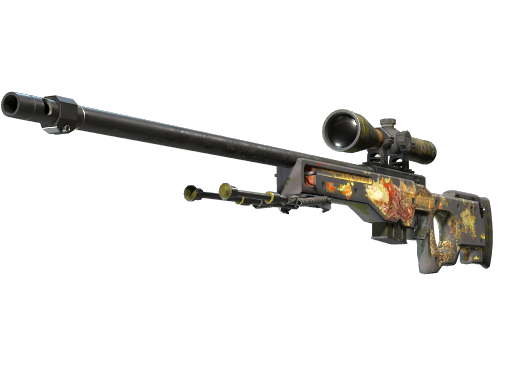
AWP | Dragon Lore
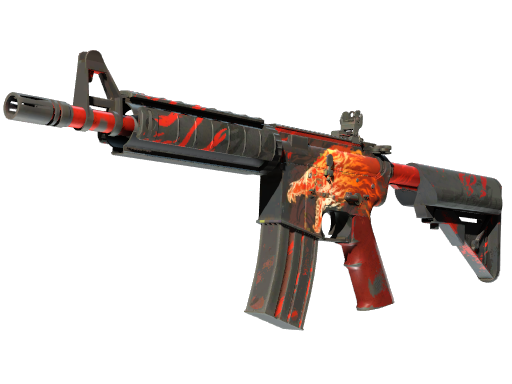
M4A4 | Howl
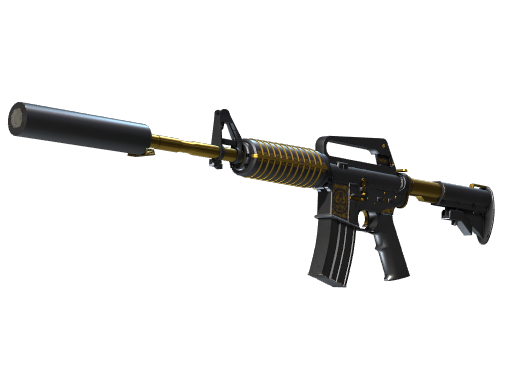
M4A1-S | Knight
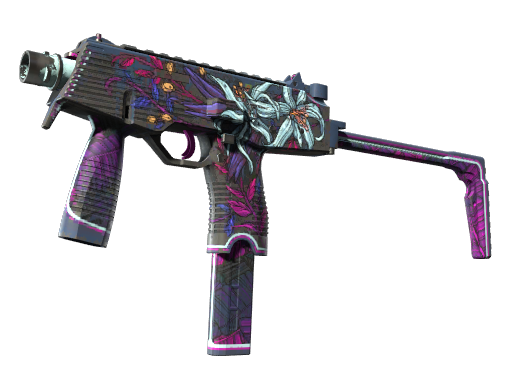
MP9 | Wild Lily
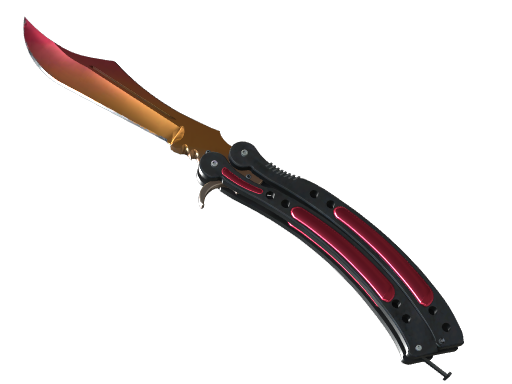
Butterfly Knife | Fade
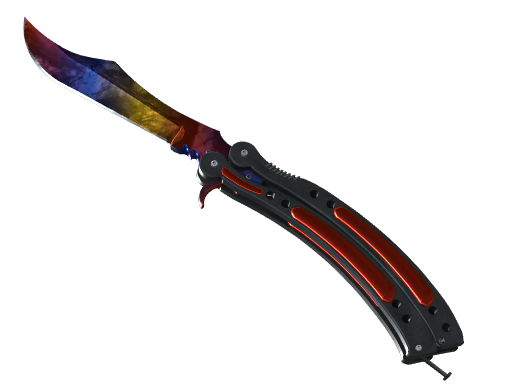
Butterfly Knife | Marble Fade
If your goal is to build an inventory with minimal overpayment, this is exactly where to start: sorting by savings shows where the market is currently inefficient in your favor.
What reSkins is not
This is where we draw a thick line. We do not sell skins. There is no cart on reSkins, no balance, no "top up your account". We never hold your money or items. The deal always happens on the marketplace itself — with its escrow, its support and its guarantees. We are a navigator, not a middleman: we show where it is cheaper and hand you over to the platform directly. This model is safer for you by construction: there is physically nothing to steal from us, because we hold nothing of yours. Speaking of deal safety and the main fraud schemes — make sure to read our anti-scam guide: even around honest marketplaces there are plenty of traps, and almost all of them are defused by knowing the current price.
How we make money
An honest answer to an awkward question. Some of the "go to marketplace" links are affiliate links: if you buy an item, the marketplace shares a portion of its fee with us. The key word is its: the price for you does not change by a single cent. You pay exactly what you would pay going to the marketplace directly. The affiliate model aligns incentives: we only earn when you found a good price and bought, so it is against our interest to show you bad prices or hide the best platforms. No paid subscription, no markup, no "premium access to the real prices".
Bottom line
reSkins is a pipeline: collect prices from established marketplaces every 30 minutes, convert to a single currency, cut the junk listings, show the best price and hand you to the platform directly. No holding your money, no markups, no magic — just transparency in a fragmented market that has historically lacked it. Open the catalog and test it on your favorite skin: the spread between marketplaces will most likely surprise you.