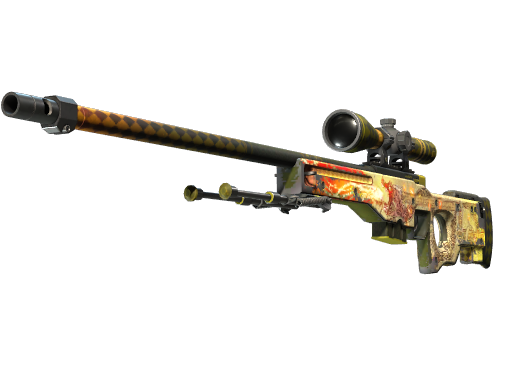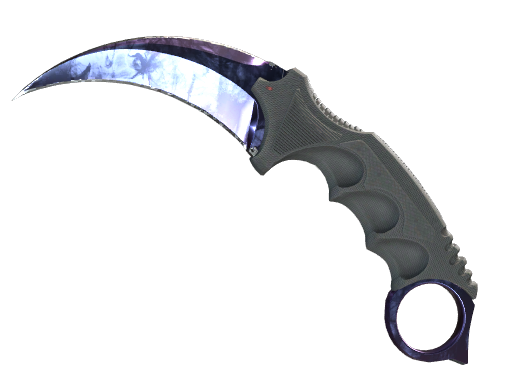
The orange StatTrak™ tag in a skin's name adds 15 to 40 percent to the price — for a feature that changes neither the texture, nor the float, nor the weapon's stats. Some call it the best cosmetic feature in CS2, others a vanity tax. Let's break down how StatTrak works, where the markup comes from, and in which cases paying it actually makes sense.
What StatTrak is
StatTrak is a counter technology built into individual skin copies. A small display appears on the weapon body showing a number: how many enemies you have killed with this exact copy. Only kills on official Valve matchmaking servers count, and only enemy kills — bots, teammates, and community-server frags never reach the counter.
Visually, a StatTrak version differs in two ways: the orange "StatTrak™" tag in the item name and the physical counter on the weapon model. The artwork itself, its float, and its wear ranges are fully identical to the normal version — a StatTrak Redline FT follows exactly the same wear rules as a regular one (see our float guide for the details).
Important: the counter resets on transfer
The key mechanic people forget: the counter resets to zero when the item changes hands. Sell the skin, trade it away, send it as a gift — the new owner receives a StatTrak with a zero on the display. Your grinded 10,000 kills are not inherited and add nothing to the item's value. When you buy a StatTrak "with history," you are buying only the counter module, not someone else's stats.
Why StatTrak costs more
The reason is simple — drop rarity. When opening a case, the chance of getting the StatTrak version is roughly 10%: one StatTrak for every ten skins unboxed. Market supply is automatically several times smaller, while demand from stat enthusiasts stays steady — hence the premium.
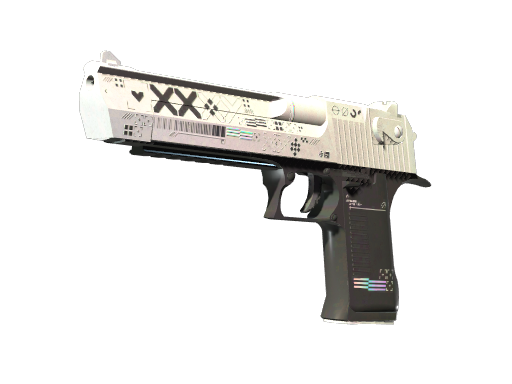
Let's look at a live example. The Deagle Printstream is one of the most popular StatTrak candidates because the skin's design is literally built around the counter:
How big the markup is
The typical StatTrak premium is 15–40% over the normal version, but the spread is wide and depends on the item class:
| Skin class | Typical ST premium | Why |
|---|---|---|
| Mass-market skins under $20 | 30–50% | Cheap base price, even modest demand moves the percentage |
| Mid-range $20–100 | 20–35% | Classics like Redline and Asiimov |
| Expensive skins $100+ | 10–20% | Buyers here are often collectors who don't need ST |
| Knives | 5–15% | Minimal premium in percent, large in dollars |
The pattern: the more expensive the skin, the smaller the premium in percentage terms. A five-dollar skin's ST version can cost half again as much, while a thousand-dollar knife gains only a few percent.
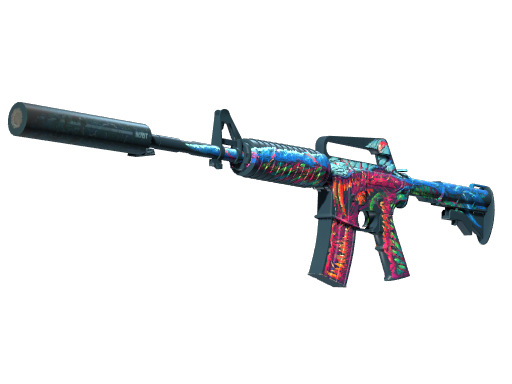
For a sense of the price scale across platforms, here is the normal (non-ST) M4A1-S | Hyper Beast in Minimal Wear on different marketplaces:
The gap between platforms for the same item reaches 10–15% — comparable to half of the entire StatTrak premium. The practical conclusion: if you are going to pay for ST anyway, at least buy it on the cheapest platform. reSkins compares Skinport, Lis-Skins, and Market.CSGO, refreshes prices every 30 minutes, and routes you straight to the best offer.
When StatTrak is worth it
- It's your main weapon. You play thousands of rounds on your AK or USP-S — the counter becomes a personal history, which is exactly what ST was invented for.
- The skin is designed around the counter. Printstream, Cortex, and other skins with a dark zone near the display — the counter looks like a native design element.
- The expensive segment. A 10–15% premium on a 200-dollar skin is a moderate price for the rarer version, which holds its liquidity just as well.
- Reselling in a narrow niche. Popular ST items enjoy steady demand and limited supply — the spreads can be more interesting than on normal versions.
When the normal version is the better call
- A tight budget. For the same money, instead of the ST version you can almost always buy a normal one a wear tier higher — and that delivers far more visually (see our wear tiers breakdown).
- A display skin, not a daily driver. If the weapon sits in your inventory as a collection piece, a zero counter gives you nothing.
- You rotate your inventory often. Every sale resets the counter — paying a premium for a feature you regularly wipe makes no sense.
- A cheap mass-market skin. A 40–50% premium on a five-dollar item is the worst value proposition on the entire market.
Cheat sheet: ST or normal
| Situation | What to buy |
|---|---|
| Main weapon, you play daily | StatTrak |
| Display or collection skin | Normal |
| Tight budget, want better wear | Normal, one tier higher |
| Expensive skin, ST premium under 15% | StatTrak is fine |
| Cheap skin, ST premium above 30% | Normal |
| You plan to resell often | Normal (the counter resets anyway) |
Bottom line
StatTrak is an honest premium for rarity and emotion, but not an investment: the counter resets on transfer, and the artwork and float are identical to the normal version. Get ST for your main weapon and for skins where the counter is part of the design; in every other case, the same money buys more when invested in better wear. And in every scenario, compare prices across platforms — start with the catalog: the gap between marketplaces sometimes covers half of the ST premium.